
Bunny Lines Treatment in Nottingham — A Finishing Detail That Makes a Difference
⭐ 5.0 Rating · Fully Insured · By Appointment Only · Arnold, Nottingham
Bunny Lines Nottingham | Signature Aesthetics
Bunny lines aren't a treatment that many clients come to me asking for by name — but they're something I notice frequently when I'm assessing a client's face, and they're something that can subtly undermine an otherwise excellent result elsewhere.
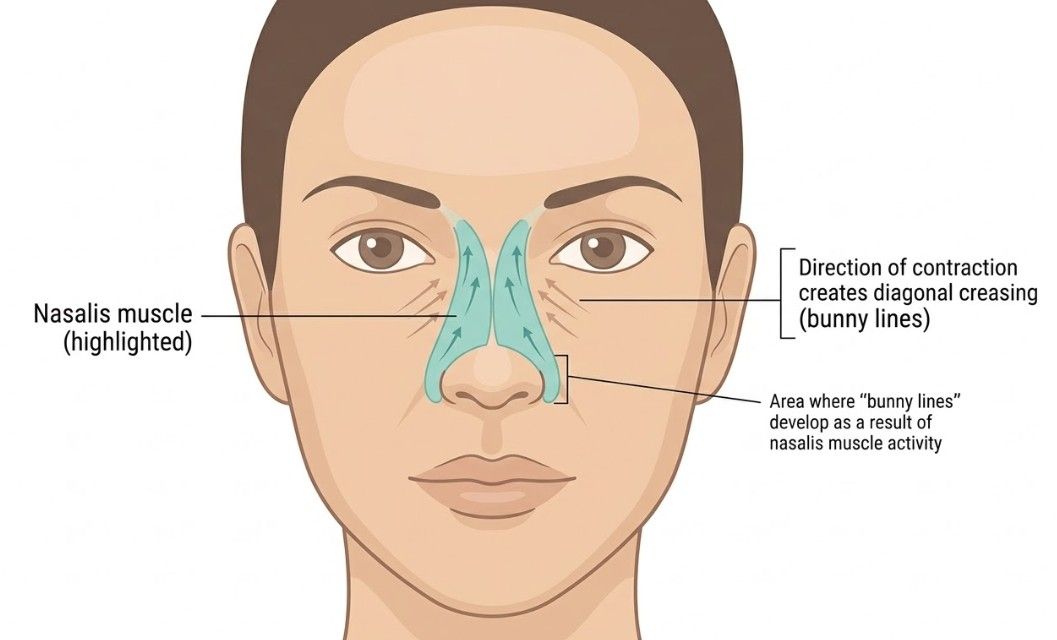
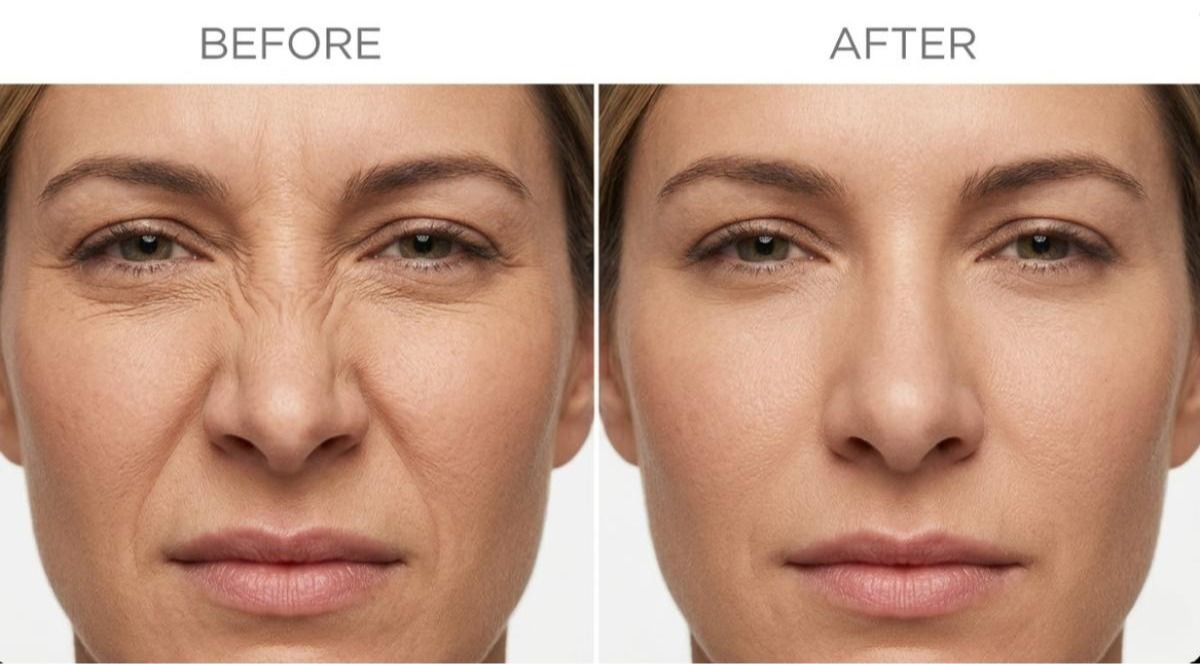
They're the diagonal creases that appear across the upper sides of the nose when you smile, laugh, or scrunch your face. The name sounds endearing enough, but for clients who are conscious of them — particularly those who've already had their forehead or glabellar lines treated and find the nose area now draws more attention — they can be a genuine source of frustration.
Treating bunny lines is a relatively straightforward procedure, but it requires careful placement to avoid affecting the surrounding structures. Done well, it's the kind of finishing detail that pulls a result together — the difference between a good outcome and a really complete one.
What Causes Bunny Lines?
Bunny lines are caused by contraction of the nasalis muscle — the muscle that runs across the bridge and sides of the nose. Like most expression lines, they develop through repeated facial movement over time and become progressively more visible, eventually appearing even when the face is at rest.
There's an interesting pattern I see regularly at Signature Aesthetics — bunny lines can become more prominent after treatment to the glabellar area. When the frown muscles are relaxed, some of that expressive movement can redistribute to the nasalis, making bunny lines more noticeable than they were before. It's one of the reasons I assess the whole upper face during consultation rather than focusing on one area in isolation.
How Is the Treatment Carried Out?
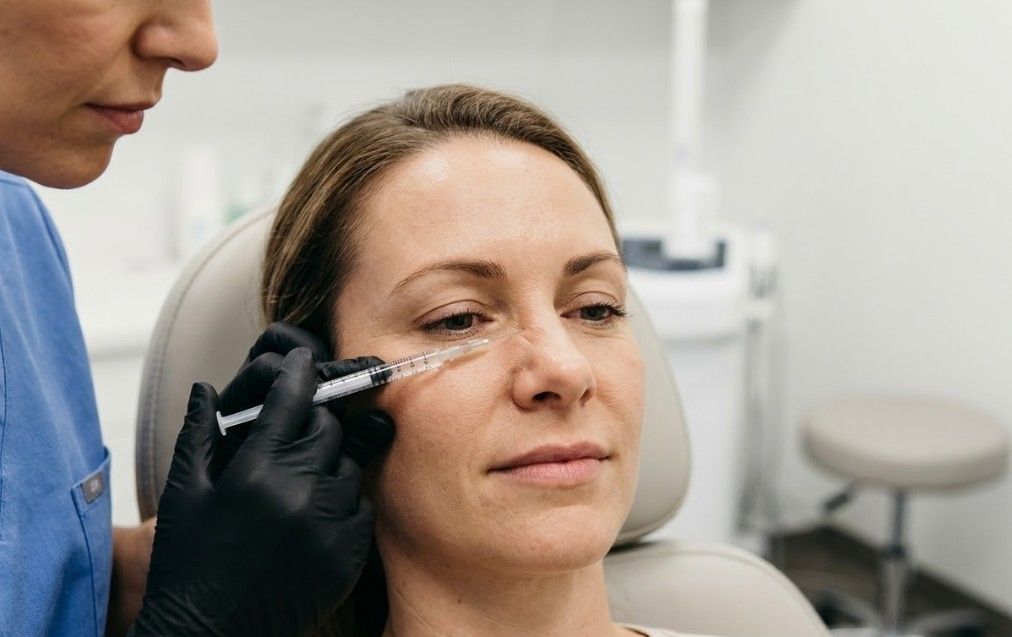
I place small amounts of botulinum toxin into the nasalis muscle on each side of the nose to reduce its activity and soften the lines that form across the bridge. The injection points are carefully chosen to target the muscle effectively without affecting the muscles responsible for lip movement or smile — precision here is genuinely important.
The treatment is quick, typically taking no more than 10 to 15 minutes, and requires no downtime at all. I see clients for this treatment from across the Nottingham area including Bulwell, Basford, Hyson Green, and Dunkirk — many of whom combine it with treatment to other areas in the same appointment.
What Results Can I Expect?
Results begin to show within three to five days and are fully visible at two weeks. The lines across the sides of the nose soften noticeably both on expression and, for most clients, at rest. The treatment doesn't affect the appearance of the nose itself — it simply reduces the muscular activity that creates the creasing.
As with all anti-wrinkle treatments, results typically last three to four months. I see all new clients at two weeks for a follow-up to assess the outcome and make any refinements where needed.
Is Bunny Line Treatment Right for Me?
Bunny line treatment tends to suit clients who:
- Notice diagonal creases across the sides of the nose when smiling or laughing
- Have already had glabellar or forehead treatment and find the nose area now draws more attention
- Want a complete, polished result across the upper face rather than treating areas in isolation
- Are bothered by lines on the nose that are becoming visible even at rest
If you're unsure whether bunny lines are contributing to a concern you have about your appearance, I'm always happy to assess during a consultation and give you an honest view on whether treatment would make a meaningful difference.
Combining Bunny Line Treatment With Other Areas
Bunny lines are almost always treated alongside other upper face areas — most commonly the glabellar lines and forehead — rather than as a standalone treatment. Treating the upper face as a whole tends to give the most natural, balanced result and avoids the pattern where relaxing one area simply shifts expressive movement to another.
If you're coming in for glabellar treatment for the first time, it's worth having a conversation about whether adding bunny lines to the same appointment makes sense for you. I'll always give you an honest assessment rather than recommending additional treatment for the sake of it.
Booking Your Bunny Lines Treatment in Nottingham
If you're based in or around Nottingham — including Lenton, Forest Fields, Wollaton, or Bilborough — and you'd like to find out whether bunny line treatment is right for you, get in touch with Signature Aesthetics to arrange your consultation. I'd love to help you achieve a result you're genuinely pleased with.
Bunny Lines FAQs
I've never heard of bunny lines — how do I know if I have them?
Smile or scrunch your nose in a mirror and look for diagonal lines appearing across the upper sides of your nose, just below the bridge. If you can see creasing there — particularly if it remains visible after your expression relaxes — those are bunny lines. They vary in prominence between individuals and not everyone finds them bothersome, but for those who do they're very treatable.
Will treating bunny lines affect my smile?
Not when the treatment is carried out correctly. The nasalis muscle is responsible for the movement across the nose — it isn't involved in the mechanics of smiling itself. Careful placement of product away from the muscles that control the lip and smile is essential, which is why I take time to assess each client's individual anatomy before treating.
My bunny lines appeared after having my frown lines treated — is that normal?
Yes, and it's more common than most people realise. When the glabellar muscles are relaxed, some of the expressive movement that was previously directed into a frown can redistribute to surrounding muscles — including the nasalis. It doesn't mean anything has gone wrong with your frown line treatment; it simply means bunny lines are worth addressing as part of a broader upper face approach.
Can bunny lines be treated on their own or do I need other treatments too?
They can absolutely be treated as a standalone if that's all you'd like to address. However, in my experience the best results come from assessing the whole upper face together — treating bunny lines in isolation without considering the surrounding areas can occasionally shift expression patterns in ways that aren't ideal. I'll give you an honest assessment during your consultation.
How much product is needed for bunny lines?
Bunny lines typically require a small amount of product relative to areas like the forehead or glabellar. The exact amount varies between individuals depending on muscle strength and the prominence of the lines, and is something I'll assess during your consultation rather than giving a fixed figure in advance.
Are there any risks specific to treating the nose area?
The main consideration with bunny line treatment is ensuring the product is placed away from the muscles responsible for lip movement and smile. Incorrect placement can cause temporary asymmetry or affect the upper lip. This is why practitioner experience and careful technique matter — it's not a complicated treatment in experienced hands, but it does require precise placement.
How long do bunny line results last?
Typically three to four months, consistent with other anti-wrinkle treatments. Many clients who treat bunny lines as part of a broader upper face appointment simply include them in their regular top-up schedule going forward.