
Nasal Fold Filler in Nottingham — Soften Lines Without Losing Natural Expression
⭐ 5.0 Rating · Fully Insured · By Appointment Only · Arnold, Nottingham
Nasal Fold Filler Nottingham | Signature Aesthetics
The lines that run from the sides of the nose down to the corners of the mouth — known as nasolabial folds or smile lines — are one of the most common concerns I hear about at Signature Aesthetics. They're also one of the most frequently misunderstood in terms of what treatment can realistically achieve, which is why I always take time during consultation to have an honest conversation about what's causing them and what the most appropriate approach looks like.
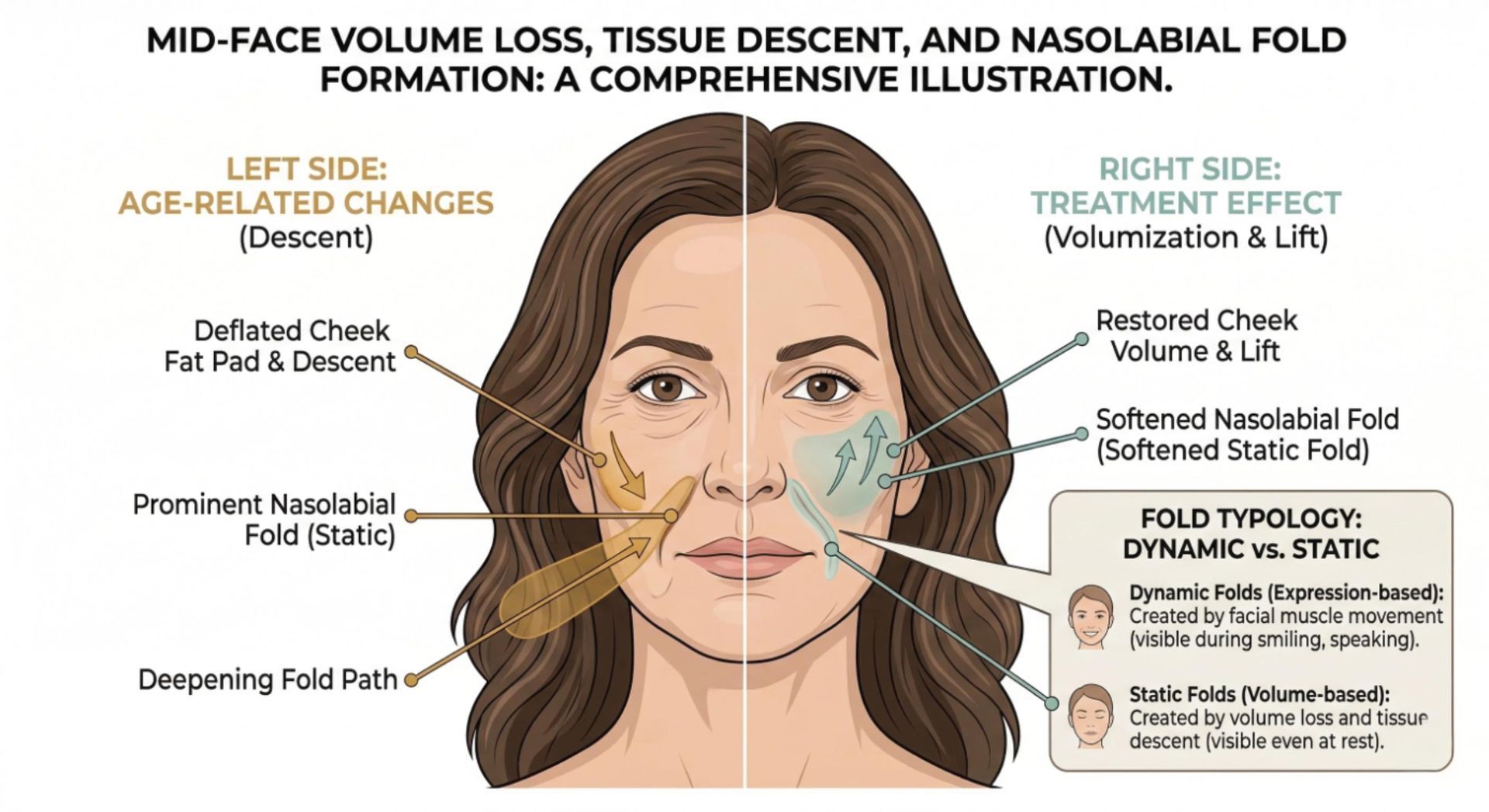
Nasolabial folds are a completely natural feature of the face. Everyone has them to some degree — they're formed partly by the movement of smiling and partly by the descent of mid-face tissue over time. The question isn't whether they exist, but whether they've deepened to a point where they're bothering you at rest, and whether treatment would make a meaningful, natural-looking difference.
That distinction matters because it shapes the entire treatment approach. And it's the kind of nuance that only comes from taking the time to properly assess each client individually rather than simply filling every line that's presented.
What Causes Nasolabial Folds?
Nasolabial folds deepen for two primary reasons — and understanding both is important when planning treatment.
The first is age-related volume loss in the mid-face. As the cheeks lose volume and descend, the tissue above the nasolabial fold loses its support and the fold deepens as a result. This is why cheek filler can often improve nasolabial folds without treating them directly — by restoring the foundation that supports the overlying tissue.
The second is the repeated movement of smiling and facial expression, which gradually etches the fold more deeply into the skin over time. This dynamic component can't be addressed with filler alone and is simply part of natural facial ageing.
Understanding which of these two factors is more dominant in an individual client determines whether direct filler treatment to the nasolabial fold is the right approach, whether cheek filler would be more beneficial, or whether a combination of both would give the best result.
How Is the Treatment Carried Out?
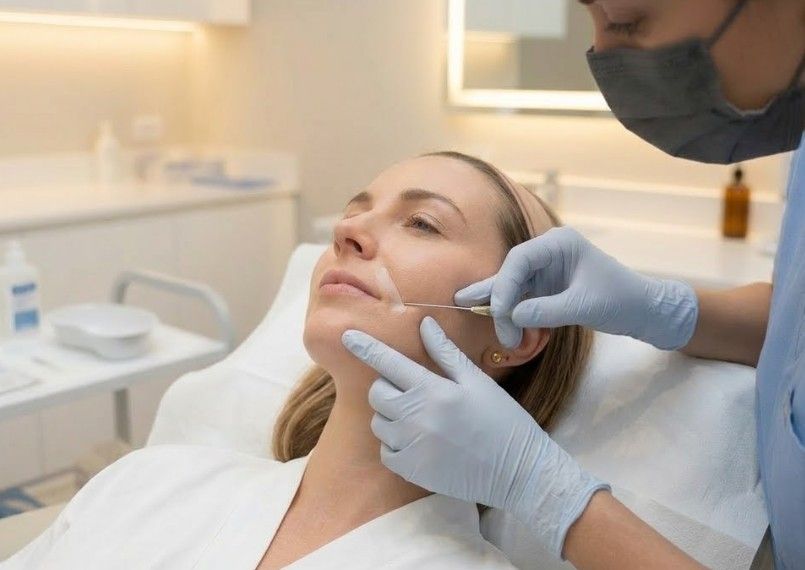
Where direct treatment to the nasolabial folds is appropriate, I place dermal filler carefully along the fold using a cannula technique in most cases — a blunt-tipped instrument that allows the product to be placed accurately whilst minimising the risk of bruising compared to a needle approach.
The amount of product used and the depth of placement varies depending on the depth of the fold and the individual's anatomy. I work along the fold incrementally, assessing the result as I go rather than placing all the product at once. The goal is always to soften the fold to a natural degree — not to eliminate it entirely, which would look unnatural and is neither achievable nor desirable.
The treatment typically takes 20 to 30 minutes and requires no significant downtime. I see clients for this treatment from across Nottingham including those travelling from Keyworth, Plumtree, Tollerton, and Normanton on the Wolds — the majority of whom return to normal activities the same day.
An Important Note on Managing Expectations
I want to be straightforward about something that I think is genuinely important for anyone considering nasolabial fold treatment. These folds cannot — and should not — be completely eliminated with filler. Attempting to do so requires overfilling the area, which creates an unnatural shelf-like appearance alongside the nose that looks considerably worse than the folds themselves.
The realistic and appropriate goal is meaningful softening — reducing the depth and prominence of the folds so that they're less noticeable at rest whilst still allowing completely natural movement and expression. That's what I aim for, and it's what produces results that clients are genuinely happy with in the long term.
If I assess a client's nasolabial folds during consultation and conclude that direct treatment isn't the most appropriate approach — that cheek filler would serve them better, for example — I'll say so clearly and explain my reasoning. I'd always rather give an honest recommendation than simply carry out the treatment a client has asked for.
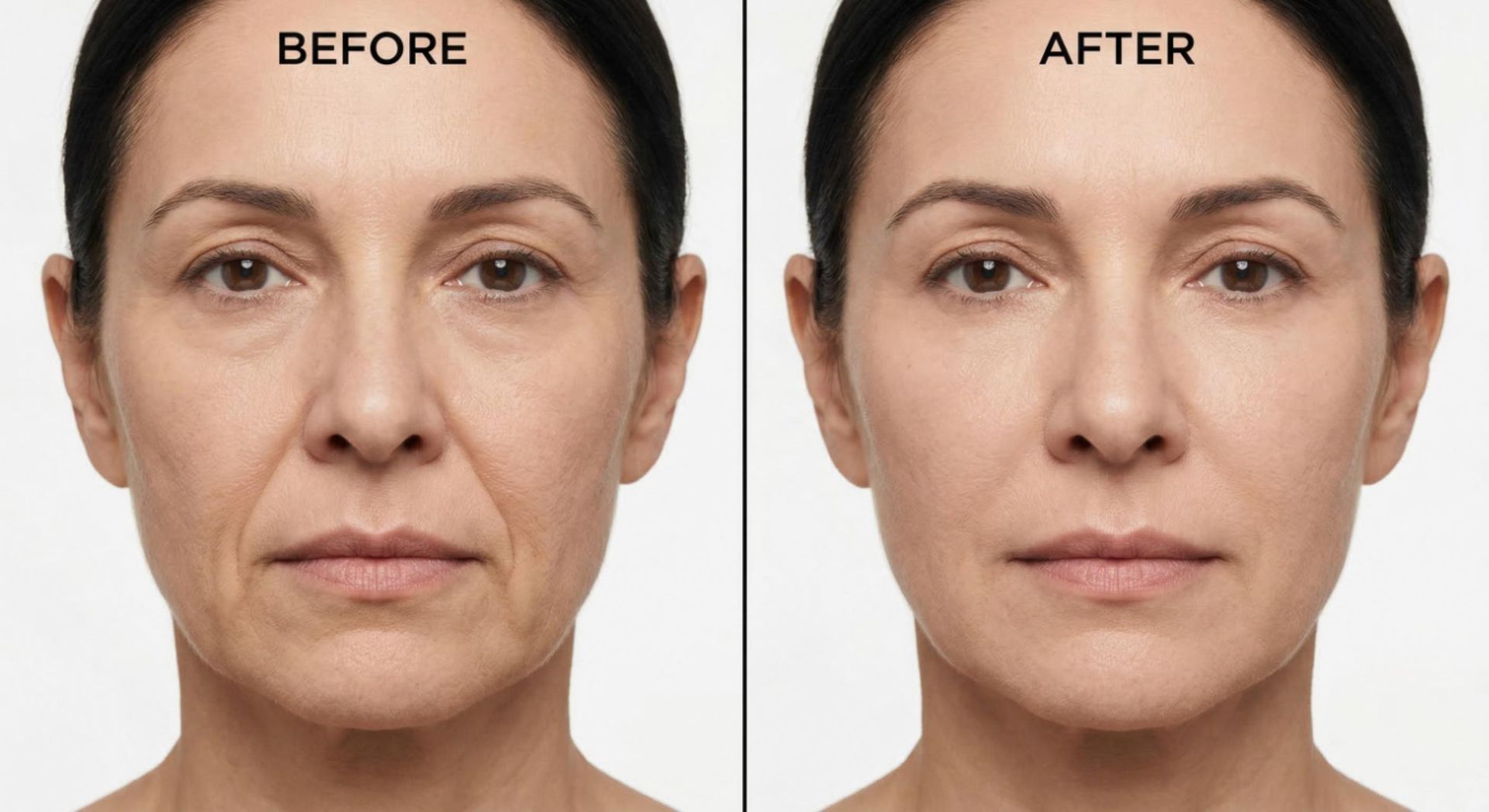
What Results Can I Expect?
There will be some swelling along the treated area immediately after treatment, which settles within a few days. Full results are visible at two weeks, which is when I see all new clients for a follow-up assessment.
The improvement in the depth and prominence of the nasolabial folds will be visible but natural — a softening rather than a removal. Most clients find the result looks refreshed and balanced without drawing attention to the treated area.
Results from nasolabial fold filler typically last nine to twelve months depending on the individual, the amount of product used, and lifestyle factors. The nasolabial area experiences moderate movement which means filler here tends to break down more quickly than in very low-movement areas such as the cheeks or jawline.
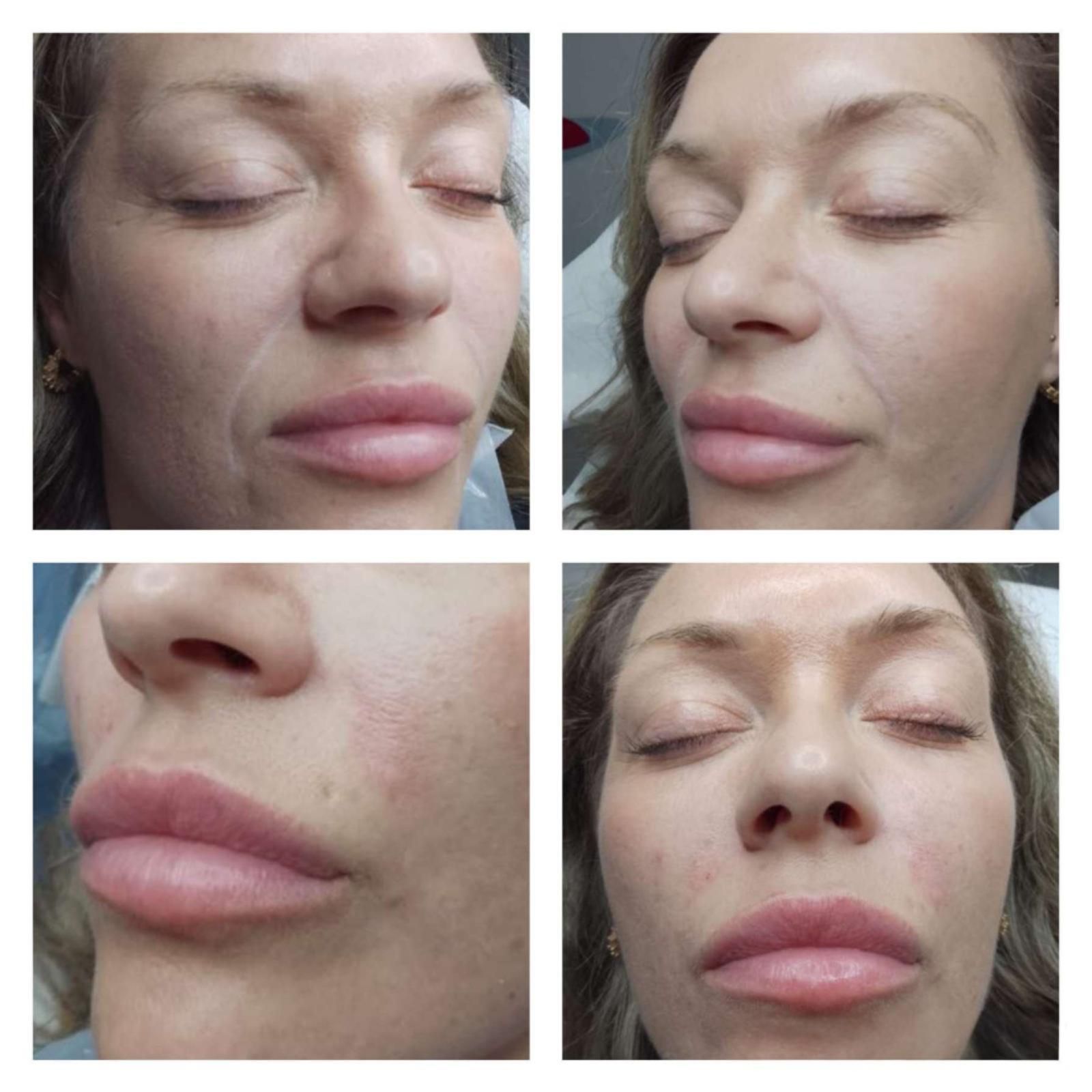
Nasal Fold Filler and the Broader Mid-Face
As I've touched on already, nasolabial fold treatment rarely exists in isolation from the broader mid-face. In many cases the most effective and natural-looking approach involves assessing the cheeks, the nasolabial folds, and the marionette lines together — understanding how volume loss and tissue descent across the mid and lower face is contributing to each concern, and developing a treatment plan that addresses the underlying causes rather than simply filling individual lines as they appear.
If you come to me interested in nasolabial fold treatment, I'll always assess the broader picture during consultation and give you my honest view on the most effective approach — whether that's direct treatment, cheek filler, a combination of both, or something else entirely.
Booking Your Nasal Fold Filler Consultation in Nottingham
If you're based in or around Nottingham — including West Bridgford, Edwalton, Ruddington, or Wilford — and you'd like to discuss nasolabial fold treatment with a practitioner who'll give you a genuinely honest assessment, get in touch with Signature Aesthetics today. I look forward to hearing from you.
Nasal Fold Filler FAQs
Will nasolabial fold filler make my face look unnatural?
Not when the treatment is carried out with the right amount of product and in the right place. The key is softening rather than eliminating — folds that are reduced to a natural degree look refreshed and balanced, whilst overfilled folds create an obvious and unnatural appearance. My approach is always conservative and I'd rather achieve a subtle improvement that looks natural than an overcorrection that draws attention.
Should I have cheek filler or nasolabial fold filler?
This is exactly the kind of question I address during consultation. In some cases cheek filler alone will meaningfully improve the nasolabial folds by restoring the mid-face foundation that supports the overlying tissue. In others, direct treatment to the folds is the more appropriate approach. And in some cases a combination of both gives the best result. The right answer depends entirely on the individual — their anatomy, the cause of the folds, and the degree of change they're looking for.
Can nasolabial folds be completely removed with filler?
No — and attempting to do so produces an unnatural result. Nasolabial folds are a natural feature of the face and complete elimination would require overfilling to a degree that looks worse than the folds themselves. The appropriate goal is meaningful softening — reducing prominence at rest whilst preserving completely natural expression and movement.
How long does nasolabial fold filler last?
Typically nine to twelve months, though this varies between individuals. The nasolabial area experiences moderate movement which means filler breaks down more quickly here than in lower-movement areas. Individual metabolism also plays a role. I'll give you a realistic expectation for your specific situation during consultation.
Is a cannula safer than a needle for this area?
A cannula — a blunt-tipped flexible instrument — is my preferred approach for nasolabial fold treatment in most cases. Because it doesn't have a sharp tip it's less likely to puncture blood vessels, which reduces the risk of bruising and certain rare complications. It also allows more accurate placement along the length of the fold. I'll discuss the technique I plan to use during your consultation and explain my reasoning.
Will the treatment affect my smile?
No — nasolabial fold filler doesn't affect the muscles responsible for smiling. The folds themselves deepen when you smile, which is entirely normal and expected — the treatment simply reduces their prominence at rest. Natural smiling and full facial expression are completely preserved.
I've been told my nasolabial folds are caused by my cheeks — is that true?
In many cases yes, to a significant degree. Age-related cheek volume loss reduces the support for the tissue above the nasolabial fold, causing it to deepen as the mid-face descends. This is why I always assess the cheeks alongside the nasolabial folds during consultation — treating the underlying cause rather than just the presenting concern often gives a more natural and longer-lasting result.
Can I have nasolabial fold filler alongside other treatments?
Yes, and in many cases treating nasolabial folds alongside cheeks, marionette lines, or other areas gives the most balanced overall result for the mid and lower face. I'll discuss whether a combined approach suits you during your consultation and only recommend it if I genuinely think it improves your outcome.