
Crow's Feet Treatment in Nottingham — Soften Eye Lines Naturally
⭐ 5.0 Rating · Fully Insured · By Appointment Only · Arnold, Nottingham
Crow's Feet Nottingham | Signature Aesthetics
Crow's feet are one of those things that sneak up on you. One day you notice them when you smile, then gradually they're there even when your face is perfectly still. For a lot of my clients at Signature Aesthetics, it's not that they want to stop smiling — they just don't want the evidence of every smile permanently etched into the corners of their eyes.
It's one of the areas I treat most frequently, and one where anti-wrinkle injections consistently deliver results that clients are genuinely pleased with. The skin around the eyes is delicate and the lines that form there can make the face look more tired or older than it actually is — softening them makes a quietly significant difference to the overall appearance without looking like anything has been done.
What Causes Crow's Feet?
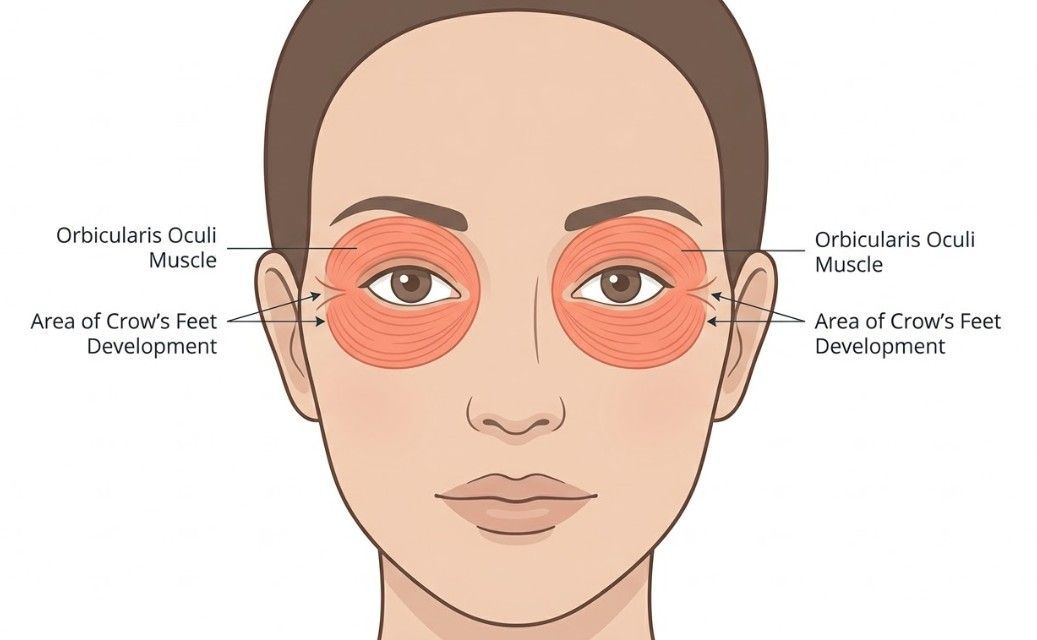
The lines that fan out from the outer corners of the eyes are caused by repeated contraction of the orbicularis oculi — the muscle that encircles the eye and is responsible for squinting, blinking, and smiling. It's one of the most active muscles in the face, which is why this area tends to show signs of ageing earlier than others.
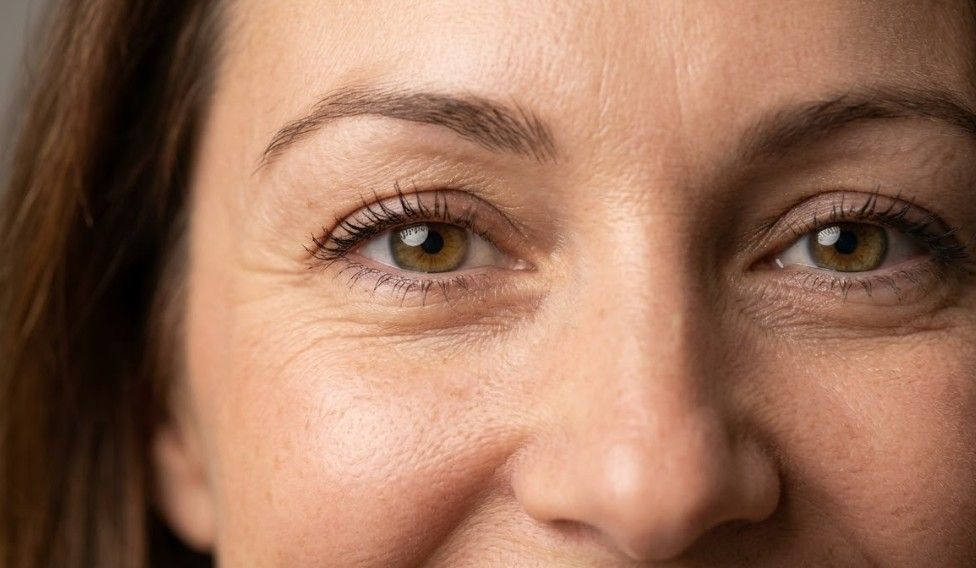
Thinner skin around the eye area, combined with sun exposure over the years, means these lines can become established relatively quickly. By the time clients come to see me, the lines are often visible both on movement and at rest — and it's the lines at rest that tend to bother people most.
How Is the Treatment Carried Out?
I place small amounts of botulinum toxin into the orbicularis oculi muscle at the outer corner of each eye, reducing the muscle's activity and allowing the skin to smooth out. The injection points are placed carefully to soften the lines whilst preserving the natural movement of the eye area — including the ability to smile naturally, which matters enormously to most clients.
The treatment is quick — typically under 20 minutes — and requires no downtime. I treat clients travelling in from areas including Ruddington, Radcliffe on Trent, Burton Joyce, and Lowdham, and the vast majority return to their normal day immediately after their appointment.
What Results Can I Expect?
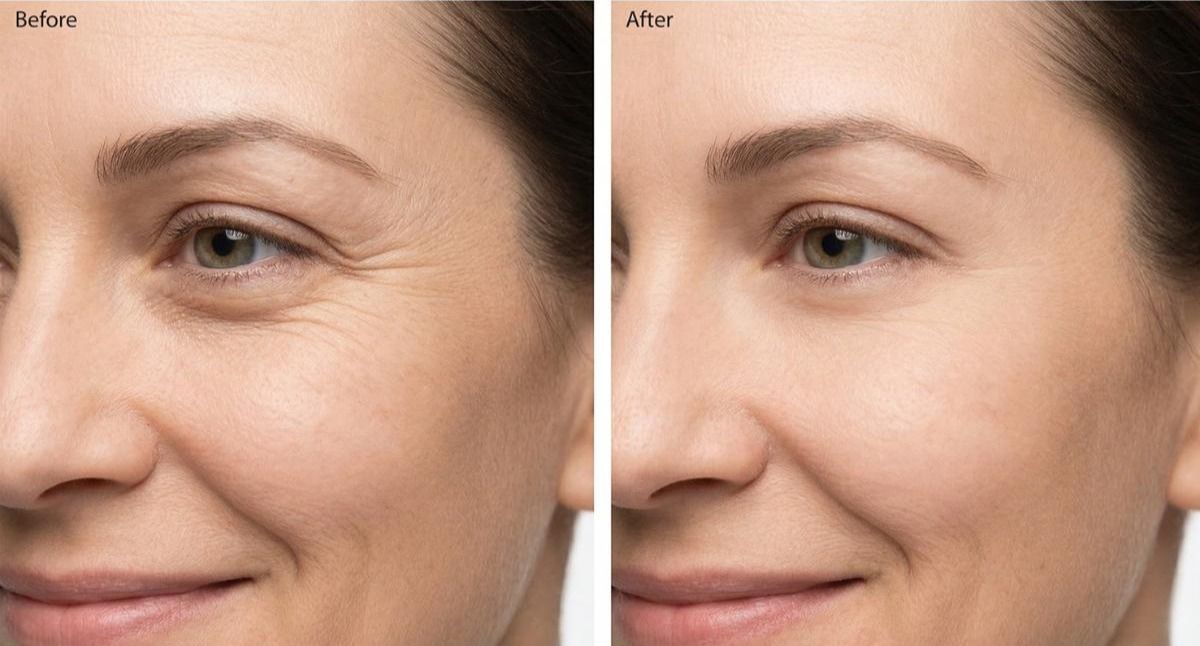
Results begin to appear within three to five days and are fully established at two weeks. The lines at the outer corners of the eyes will soften noticeably — on movement and, for most clients, at rest too. Deeper established lines may not disappear entirely after a first treatment but will improve progressively with regular sessions as the muscle weakens over time.
I see all new clients for a follow-up at two weeks to assess the outcome and make any minor refinements if needed. It's a step I consider essential rather than optional.
A Note on Treating Around the Eyes
The eye area requires particular care and precision. Incorrect placement of product around the eyes can affect the lower eyelid or alter the shape of the eye in a way that looks unnatural. This is why I take a thorough approach to assessment before treatment — evaluating the muscle strength, the pattern of lines, and the individual anatomy of each client before deciding on placement and dosage.
If you've had crow's feet treated elsewhere and weren't happy with the result, I'm always happy to have a conversation about what happened and whether I can help.
Combining Crow's Feet Treatment With Other Areas
Crow's feet treatment works very naturally alongside forehead and glabellar line treatment as part of an upper face approach. Treating these areas together tends to give the most balanced, harmonious result — addressing the whole upper face rather than one isolated area. I'll discuss whether a combined approach suits you during your consultation, and I'll only recommend it if I genuinely think it adds value to your outcome.
Booking Your Crow's Feet Treatment in Nottingham
If you're thinking about addressing crow's feet and you're based in or around Nottingham — including Colwick, Netherfield, Lambley, or Woodborough — I'd love to hear from you. Get in touch with Signature Aesthetics to arrange your consultation and we'll have an honest conversation about what's achievable.
Crow's Feet FAQs
Will treating crow's feet stop me from smiling naturally?
No - and if it did, I wouldn't be doing my job properly. The goal is to soften the lines that form at the corners of the eyes, not to prevent the muscle from moving entirely. I always use a conservative amount of product that allows natural smiling and expression whilst visibly reducing the lines. At your two week review I can assess whether any refinement is needed.
Can crow's feet be treated if I have very sensitive eyes?
Sensitivity around the eyes doesn't typically affect suitability for treatment, though it's something I'd want to know about during your consultation. If you wear contact lenses I'd recommend removing them before your appointment and waiting a few hours before reinserting them afterwards.
My crow's feet are quite fine — is it too soon to treat them?
Not necessarily. Treating finer lines before they become deeply established can actually be more effective and may slow their progression over time. Whether it's the right time for you is something we'd discuss at consultation based on what you're seeing and what your goals are.
Can crow's feet be improved with skincare alone?
Good skincare, particularly SPF and products containing retinol or hyaluronic acid, can support skin quality and slow the development of lines. But once lines are established, particularly those visible at rest, skincare alone is unlikely to make a significant difference. Anti-wrinkle injections address the underlying muscle movement that skincare simply can't reach.
Is the eye area more painful to treat than other areas?
The needles used are very fine and most clients find the treatment entirely manageable. The skin around the eyes can be slightly more sensitive than the forehead, but the injection points are small and the treatment is over quickly. I work efficiently to keep any discomfort as brief as possible.
How often will I need top-up treatments?
Most clients return every three to four months to maintain their results. Over time, with regular treatment, many people find the muscle activity reduces progressively and results can last a little longer between appointments.